

Rubbish clearance on Walworth Road Elephant And Castle
Posted on 09/06/2026
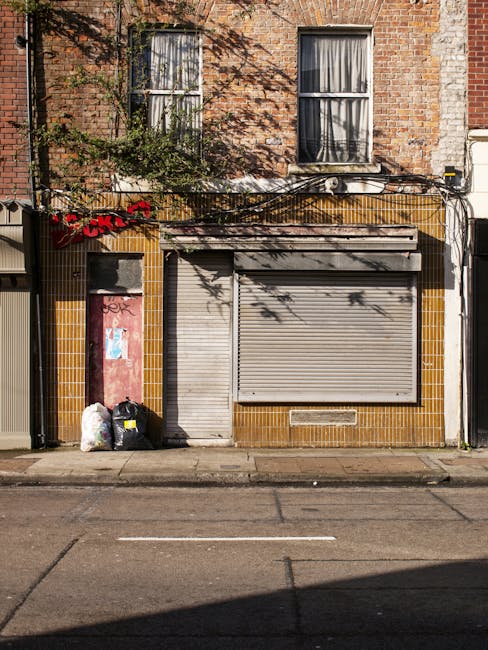
Rubbish clearance on Walworth Road Elephant And Castle: a practical local guide
If you live, work, manage property, or run a business near Walworth Road, you already know space disappears quickly. One week it is a broken chair, a box of packaging, and a bag of old clothes; the next, the hallway feels like a storage unit with a front door. Rubbish clearance on Walworth Road Elephant And Castle is not just about making things look tidier. It is about keeping access clear, reducing stress, and dealing with waste properly without turning a busy day into a bigger job than it needs to be.
In this guide, we will walk through how rubbish clearance works in this part of London, what to expect, when it makes sense to book help, and how to avoid the usual headaches. We will also cover practical decision points, local-use scenarios, and a few small things people often forget until the last minute. Truth be told, clearance jobs are rarely glamorous. But they can be far easier than you think.
Why Rubbish clearance on Walworth Road Elephant And Castle Matters
Walworth Road is busy, layered, and constantly in motion. There are flats above shops, tightly packed residential streets nearby, office spaces, refurb projects, and a steady stream of daily activity. That means unwanted items can become a real nuisance fast. A few sacks left by a doorway can block access. A sofa in a front room can make a move-out harder. Builders' offcuts can slow down the next stage of work. Even garden waste can become awkward if it sits too long in a communal area.
Clearance matters here because it helps you stay organised in an environment where you do not have endless room to spread out. It also helps reduce fire risk, trip hazards, pests, and neighbour complaints. That last bit can matter more than people expect. One messy pile in a shared entrance, and suddenly a simple clean-up becomes a phone-call problem. Nobody wants that.
There is also a practical time angle. On a road as active as Walworth Road, doing a clearance job yourself may mean multiple trips, parking stress, and a lot of lifting in and out of awkward spaces. If you have ever tried to shift a wardrobe down narrow stairs while someone is trying to get past with shopping bags, you will know exactly what I mean.
If you are comparing nearby household, office, or property-clearance needs, it can help to look at broader local service information first. The site's services overview is a useful starting point, and for property-specific situations you may also want the pages on house clearance and office clearance.
Expert summary: In a dense London area like Walworth Road, rubbish clearance is as much about access, timing, and safety as it is about removing items. The best result is tidy space, minimal disruption, and waste handled responsibly.
How Rubbish clearance on Walworth Road Elephant And Castle Works
In most cases, clearance follows a straightforward pattern. You identify what needs removing, decide how quickly it needs to go, and choose whether the job is best handled as a collection, a partial clearance, or a full clearance. Simple enough on paper. In real life, the details matter.
1. Assess the waste properly
Start by sorting items into broad groups: bulky furniture, bagged rubbish, mixed household waste, electricals, green waste, and construction debris. That gives you a clearer picture of what type of removal you actually need. A single broken table is very different from a flat full of leftovers after a move.
2. Check access and lifting conditions
Walworth Road properties often have narrow hallways, shared stairs, limited loading space, or controlled entry. A good clearance plan considers whether large items can be carried safely, whether parking will be straightforward, and whether the job needs two people instead of one. This bit is easy to skip, then regret later.
3. Match the service to the job
Not every waste problem needs the same solution. If you only have a few bags or a mattress, a smaller rubbish collection may be enough. If you are emptying a loft, garage, or office, a more complete waste clearance service may be the better fit. For one-off bulky pieces, furniture disposal can be the neatest option. For clutter hidden away under the eaves, loft clearance tends to make the most sense.
4. Remove items safely and sort for recycling
Once on site, the important part is careful handling. Reusable items may be separated from general waste. Recyclable materials should be kept apart where possible. Sharp objects, broken glass, and heavy items need extra care. On a wet afternoon, with stairs a bit slippery and the pavement crowded, that care is not a luxury. It is the job.
5. Finish with a clean handover
The best clearance jobs end with the space usable again: floors visible, access clear, and nothing left behind that creates a future problem. That final pass is often what separates a decent job from a genuinely helpful one.
Key Benefits and Practical Advantages
The obvious benefit is a cleaner space. But there is more to it than that. A proper clearance can simplify moving day, speed up a refurbishment, reduce pressure on tenants or landlords, and make a property easier to show or use. If you are trying to sell, rent, or prepare a place for new occupants, removing clutter can instantly change how a room feels. Bigger. Lighter. Easier.
For businesses, the advantages are just as real. Old stock, packaging, redundant furniture, and office waste can crowd storage areas and interrupt daily work. For households, the biggest win is often mental. Once the junk is gone, the whole place seems calmer. Not magic, just space doing what space does best.
- Time saved: fewer trips, less sorting, less loading and unloading.
- Safer access: fewer trip hazards and less blocking of shared areas.
- Cleaner presentation: helpful for sales, lettings, or viewings.
- Better recycling outcomes: many items can be separated rather than dumped together.
- Less stress: one organised visit often beats a weekend of DIY hauling.
If you are dealing with a property on the market, a quick clearance can make a visible difference before photos or viewings. That ties in neatly with local property advice like the selling property in Elephant and Castle guide and the property buying guide for Elephant and Castle, especially where presentation matters.
Who This Is For and When It Makes Sense
Rubbish clearance on Walworth Road Elephant And Castle is useful for a surprisingly wide range of people. Some are in the middle of a move. Some have inherited a property that needs clearing. Some are landlords between tenancies. Others are simply fed up with a room that has become the unofficial storage annex for old stuff nobody wants to claim.
Common situations where it makes sense
- Households: spring cleans, decluttering, end-of-tenancy clear-outs, bulky item removal.
- Landlords and agents: turnaround between tenants, abandoned furniture, post-renovation debris.
- Businesses: office refits, storage clearances, archived waste, surplus desks and chairs.
- Tradespeople: builders' rubble, packaging waste, site tidy-up after a project.
- Garden owners: branches, soil bags, hedge cuttings, old planters, and general green waste.
If the job feels too large to do in one afternoon, it probably is. If access is awkward, it is probably even more worth getting help. And if you are weighing up whether a place is worth clearing because you might move soon, the article on whether Elephant and Castle is a good place to call home gives useful local context.
There is also a local lifestyle angle. Walworth Road sits within an area that is busy, mixed-use, and always changing. That makes timely rubbish removal handy not only for living spaces but also for anyone preparing for social events, venue use, or temporary changes in property use. It is the sort of place where one week's clutter can feel like next week's obstruction. Bit dramatic, but not wrong.
Step-by-Step Guidance
If you want to approach clearance properly, do it in stages. Rushing usually creates more mess, not less. Here is a simple method that works well in real homes and workspaces.
- Walk the space first. Identify what must go, what can stay, and what may be reusable or recyclable.
- Measure bulky items. Check doorways, stair bends, lift access, and hallway width before moving anything heavy.
- Separate hazardous or awkward items. This includes broken glass, sharp metal, paint tins, and old electricals.
- Group waste by type. Bag loose rubbish, stack furniture neatly, and keep small parts together in one place.
- Confirm access and timing. Think about parking, loading, building rules, and neighbours' schedules.
- Book the right clearance option. Choose the service that matches the size and type of waste, not just the cheapest sounding label.
- Do a final sweep. Check cupboards, under beds, loft corners, behind cabinets, and outside storage areas.
That last step catches more forgotten items than you would expect. A lone lamp shade in a corner. A bag of mixed wires. A random toolbox with only one useful screwdriver. The usual suspects.
Expert Tips for Better Results
Here are the things that make clearance jobs smoother, especially in a busy London location like Walworth Road.
- Photograph the waste first. Even a quick phone picture helps you estimate the amount and the type of items.
- Keep a path clear. If you are moving items out yourself, make one route from room to exit and leave it open.
- Plan around traffic and building access. Mid-morning or early afternoon can sometimes be easier than peak commute times, depending on the property.
- Group similar materials together. Wood, cardboard, textiles, and metals are easier to manage when they are not all mixed into one mountain.
- Ask about recycling. Reuse and recycling are often possible for parts of a load, but only if the waste has been sorted sensibly.
- Be realistic about lifting. If something feels too heavy, too awkward, or too unstable, treat that as information, not a challenge.
A small tip, but a useful one: keep tea and water nearby if you are doing a clearance yourself. It sounds minor, yet after three flights of stairs, a radiator, and a battered wardrobe, it starts to matter. Funny how that works.
If sustainability matters to you, it is worth reading about the company's recycling and sustainability approach. It gives a better sense of how materials are handled beyond simple removal.
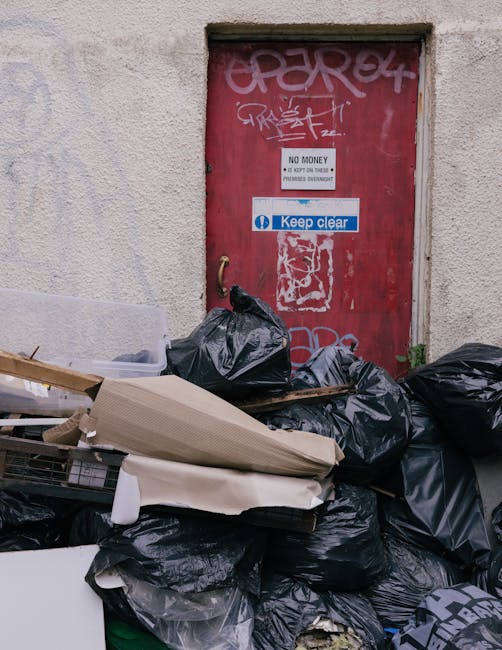
Common Mistakes to Avoid
Most clearance problems come from a short list of avoidable mistakes. They are easy to make because they feel harmless at the time.
- Leaving everything until the last minute. Rushed jobs usually cost more energy and create more stress.
- Underestimating the volume. A "few things" can become several van-loads once you start moving them.
- Mixing waste types without thinking. That makes sorting harder and can affect how efficiently the load is handled.
- Forgetting access issues. No parking plan, no lift access check, and suddenly the whole job slows down.
- Ignoring shared-space etiquette. In flats or converted buildings, letting rubbish spill into common areas can create friction fast.
- Assuming all clearance is the same. It is not. Household, office, garden, and builder waste each need different handling.
One of the biggest mistakes is focusing only on the pile itself and forgetting the route out of the building. That route is usually where the problem lives.
Tools, Resources and Recommendations
You do not need a huge toolkit for a basic clear-out, but a few practical items help enormously.
- Heavy-duty bin bags or rubble sacks
- Work gloves with a solid grip
- Tape and labels for boxed items
- A torch for dark lofts, cupboards, and storage corners
- Basic measuring tape for large furniture and access points
- Strong boxes for loose mixed items
- Dust sheets or old blankets for protecting floors and door frames
For some jobs, it also helps to compare service types before deciding. If you are removing a few bulky items, rubbish collection may be enough. If you are emptying a home after a sale or inheritance, house clearance is likely the more suitable route. For workspaces, office clearance is usually the practical choice. And for exterior spaces, there is always garden waste removal when cuttings, soil, and outdoor debris start taking over.
If you are trying to decide who you are dealing with, the about us page and the company's insurance and safety information are worth a look. So are the pages on payment and security and terms and conditions if you want a clearer idea of how service arrangements are handled.
Law, Compliance, Standards, or Best Practice
For rubbish clearance, the main point is simple: waste should be handled responsibly and lawfully. In the UK, that means you should be careful about who removes your waste, what happens to it, and whether it is taken to an appropriate facility. You do not need to be a legal expert to make sensible choices, but you do need to avoid the usual pitfalls.
Best practice includes checking that the business is clear about what it removes, how it sorts waste, and whether it follows proper safety procedures. If a company avoids answering basic questions, that is usually a sign to slow down a bit. No need to be dramatic, just cautious.
It is also smart to think about the type of waste involved. Some items need extra care because they are heavy, sharp, fragile, or potentially hazardous. Electrical items, broken furniture, and building debris can all require more controlled handling. If your job involves construction leftovers, the dedicated builders waste disposal page is relevant, because building waste tends to behave differently from ordinary household clutter. Dust, splinters, heavy offcuts, and mixed materials all add a bit of complexity.
As a rule, keep paperwork and confirmations tidy, ask what happens to reusable items, and make sure access instructions are clear before collection day. Good operators usually appreciate that. It saves everyone time.
Options, Methods, or Comparison Table
If you are deciding how to deal with waste near Walworth Road, the best option depends on volume, item type, access, and urgency. Here is a simple comparison to help you think it through.
| Option | Best for | Strengths | Watch-outs |
|---|---|---|---|
| Self-clearance | Very small amounts of waste | Low direct cost, full control | Time-consuming, heavy lifting, parking and disposal hassle |
| Rubbish collection | Bagged waste and a few bulky items | Quick, convenient, less disruption | May not suit full-property or mixed clear-outs |
| Full waste clearance | Large or mixed loads | Efficient for bigger jobs, easier on the day | Needs good access planning and clear instructions |
| Specialist service | Lofts, gardens, offices, or builder waste | Better suited to specific materials and layouts | Requires choosing the right service type |
There is no universal winner. A single sofa in a first-floor flat is a different problem from an overfilled office storeroom or a garden full of green waste after a tidy-up. That is just the reality of it.
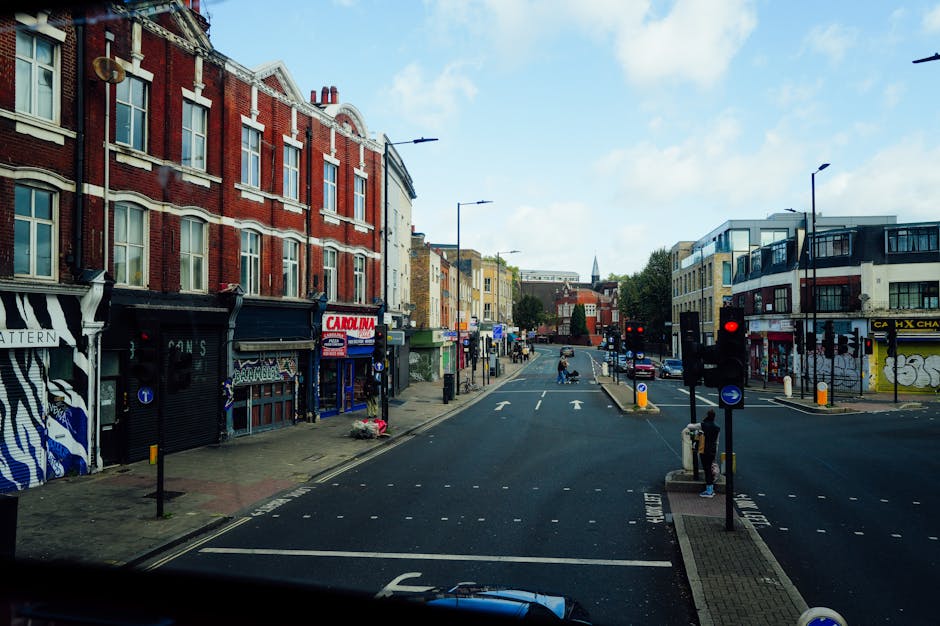
Case Study or Real-World Example
Imagine a small flat off Walworth Road after a tenant move-out. The place has a wardrobe that will not fit through the hallway without partial dismantling, three bags of mixed rubbish, a broken dining chair, a mattress, and a few odds and ends left in the cupboard under the sink. Nothing outrageous. But enough to feel messy, and enough to make a landlord or agent sigh quietly before they even open the front door.
Now compare two approaches. The first is trying to do it yourself over a weekend. You rent a van, find parking twice, carry bags down stairs, realise the mattress is awkward, and then discover a couple of items were left behind in a cupboard. The second is planning the clearance properly: identify items, sort what can be recycled, check access, and book a suitable collection in advance. The second route is usually calmer, quicker, and less likely to create a mess in the stairwell. Not always cheaper in raw cash terms, but often better value in time and sanity.
That is the hidden lesson with many Walworth Road clearances. It is not just about removal. It is about avoiding disruption in a very live, very busy part of London where space is already working hard.
Practical Checklist
Use this before the clearance day arrives.
- Walk through every room and identify all items to remove
- Separate bulky furniture, general rubbish, recycling, and garden or building waste
- Check stair access, lift access, and doorway widths
- Make sure parking or loading arrangements are thought through
- Put loose items into bags or boxes
- Set aside any items you want to keep, donate, or reuse
- Remove valuables and personal documents first
- Tell neighbours or building management if access may be affected
- Take quick photos so nothing gets missed
- Confirm the collection time and any special instructions
If you tick off those points, the day usually goes much more smoothly. It is not flashy advice, but it works.
Conclusion
Rubbish clearance on Walworth Road Elephant And Castle is really about making a busy, constrained space feel manageable again. Whether you are clearing a flat, a shop back room, an office, or a property after a move, the goal is the same: get the waste out safely, avoid unnecessary disruption, and leave the space ready for what comes next.
The smartest approach is rarely the most rushed one. A bit of planning, a clear idea of what needs removing, and the right kind of clearance help can save a lot of faff. And in a part of London where the pavements are busy and the spaces are often tight, that matters more than people realise.
If you are comparing options, take a calm look at the job, the access, and the type of waste involved, then choose the route that makes life easier rather than harder. Simple as that.
Get a free quote today and see how much you can save.
Sometimes the best kind of progress is just getting one stubborn pile out of the way and breathing a little easier afterwards.
 Tipper Van - Junk Disposal and Waste Clearance Prices in Elephant and Castle, SE1
 Luton Van - Junk Disposal and Waste Clearance Prices in Elephant and Castle, SE1

